
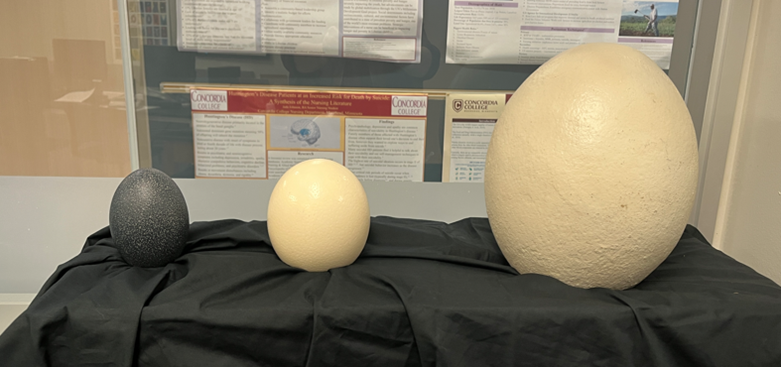
Emu Egg Ostrich Egg Elephant Bird Egg
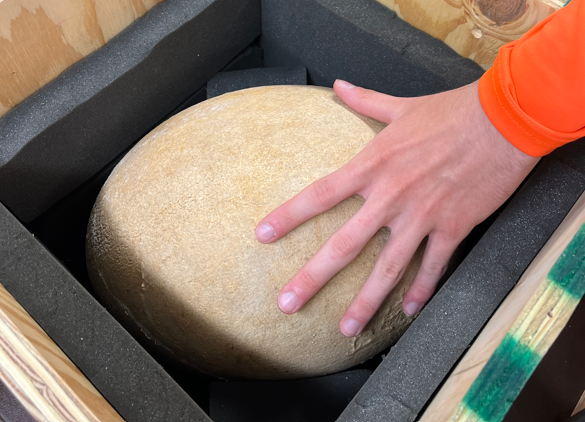
Elephant Bird (Aepyornis maximus) Egg
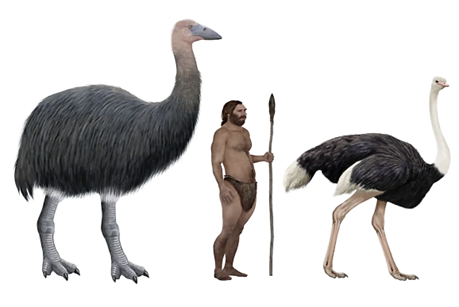
Elephant Bird Ostrich
https://www.worldatlas.com/articles/elephant-bird-facts-extinct-animals-of-the-world.html
Elephant Bird Egg
This egg belonged to the now-extinct Elephant Bird, a giant flightless bird native to Madagascar. The bird has been extinct for about 1,000 years now but remains the largest bird to ever live.
Elephant Birds belong to the Order Aepyornithiformes and Family Aepyornithidae, but there is debate about the validity of this family. There were two genera of Elephant Birds and three currently recognized species:
Aepyornis hildebrandti
Aepyornis maximus
Mullerornis modestus
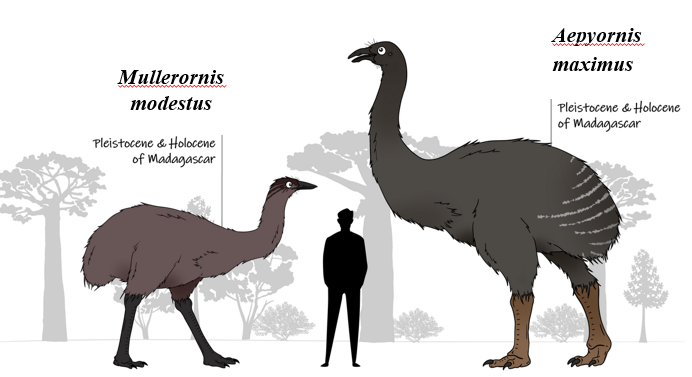
https://www.deviantart.com/meetthefossyls/art/The-elephant-birds-Mullerornis-and-Vorombe-925156447 (modified with current taxonomy)
Their extinction 1000 years ago is likely the result of human habitat alteration and overhunting.
Fun fact: This massive egg could hold the equivalent of 160 chicken eggs – how crazy is that!!
The Kiwi, a small, flightless bird from New Zealand, is the closest living relative—and despite its tiny size, it lays one of the largest eggs relative to body size in the bird world!
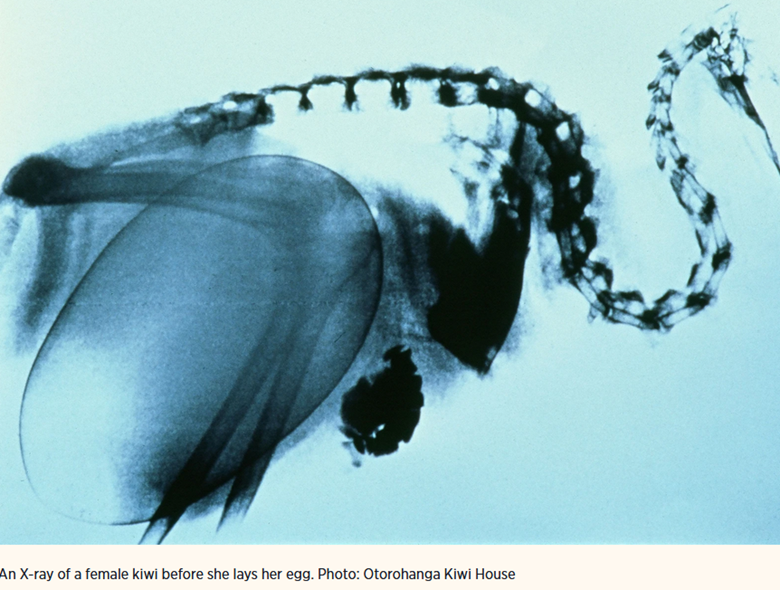
https://www.audubon.org/magazine/why-kiwis-egg-so-big
For more information on the history of the Elephant Bird, their natural history, and extinction, see:
https://www.worldatlas.com/articles/elephant-bird-facts-extinct-animals-of-the-world.html
Ostrich Egg
Laid by the largest living bird, the ostrich egg can weigh over 3 lbs (that’s over 20 times the weight of a chicken egg!). Ostriches are native to Africa and, though they can’t fly, they can reach speeds of up to 45 mph on foot.
Ostriches belong to the Order Struthioniformes and Family Struthionidae. There were two extant (still living) species of Ostrich:
Struthio camelus or Common Ostrich (sub-Saharan Africa)
Struthio molybdophanes or Somali Ostrich (Horn of Africa)
Fun fact: Their eggs are so strong you can actually stand on one without breaking it! — though we don’t recommend trying it with ours… 🙂
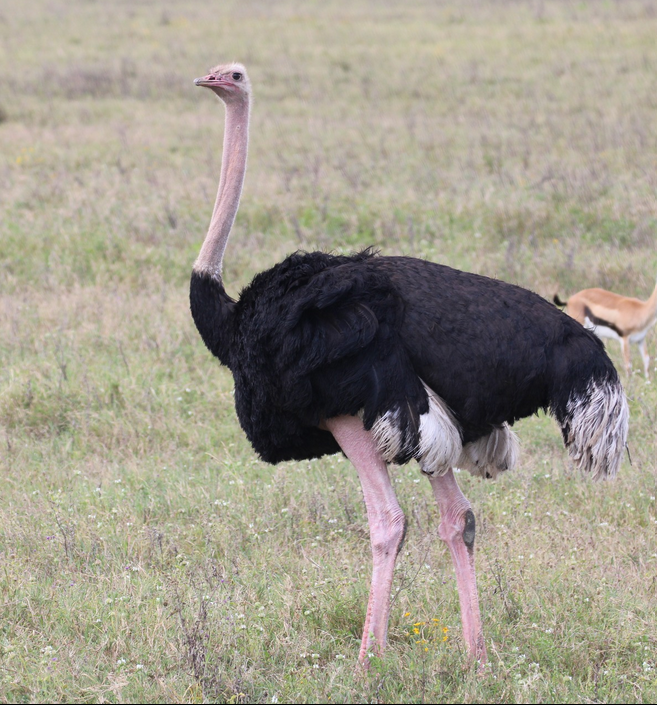
Photo by J. C. Whittaker
For more information, see:
https://ebird.org/species/ostric3/NA
https://ebird.org/species/ostric2
https://nationalzoo.si.edu/animals/ostrich
Emu Egg (Dromaius novaehollandiae)
This egg comes from the emu, a flightless bird native to Australia. Emu eggs are roughly the size of 10-12 chicken eggs and have a beautiful dark shell that looks almost like polished stone! The eggs often start out a deep emerald green but exposure to sunlight causes them to lose this pigment and turn a more gray-ish black color.
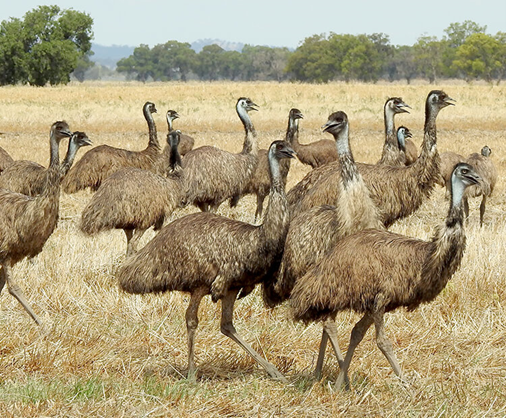
https://sdzwildlifeexplorers.org/animals/emu
Fun Fact: Emu males take on all the parenting duties – they incubate the eggs for 8 weeks without eating, drinking, or leaving the nest…and then raise the chicks on their own!!
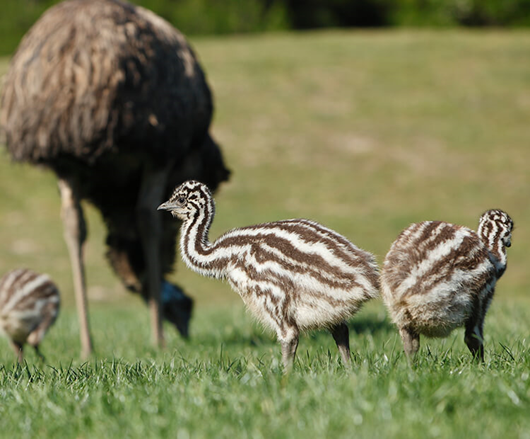
https://sdzwildlifeexplorers.org/animals/emu
For more information see:
https://nationalzoo.si.edu/animals/emu
https://australian.museum/learn/animals/birds/emu
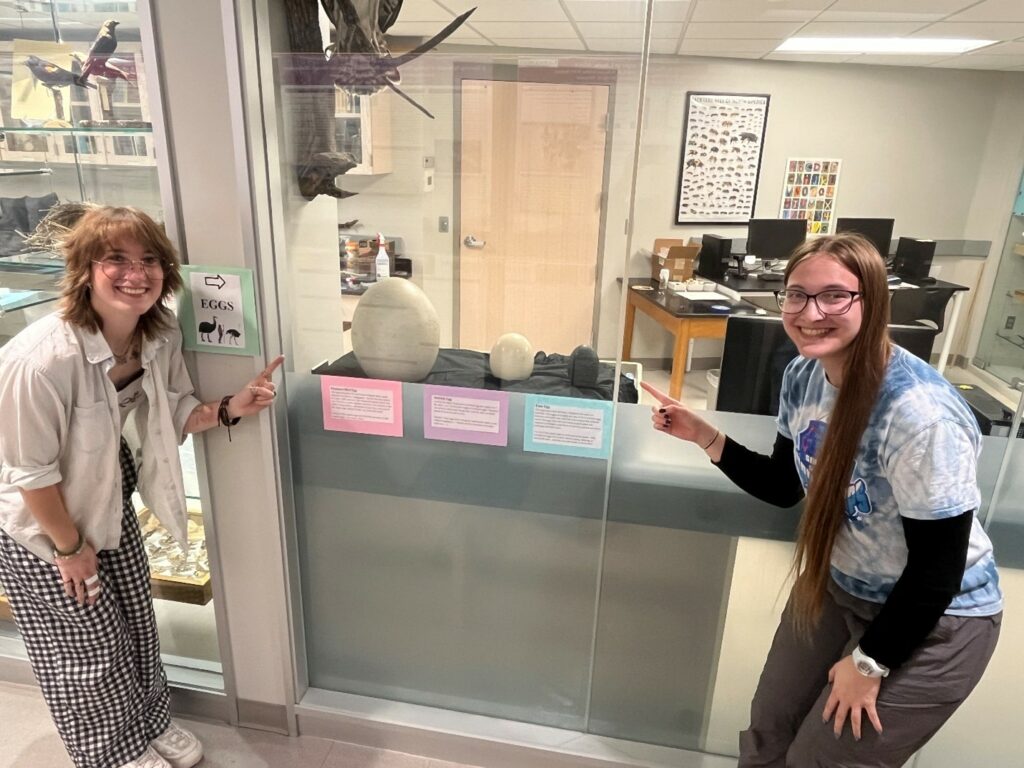
Special thanks to Katie P. Waugh, Maddi M. Barlage, and Peter J. Weinzierl (not pictured) for exhibit inspiration and preparation.
